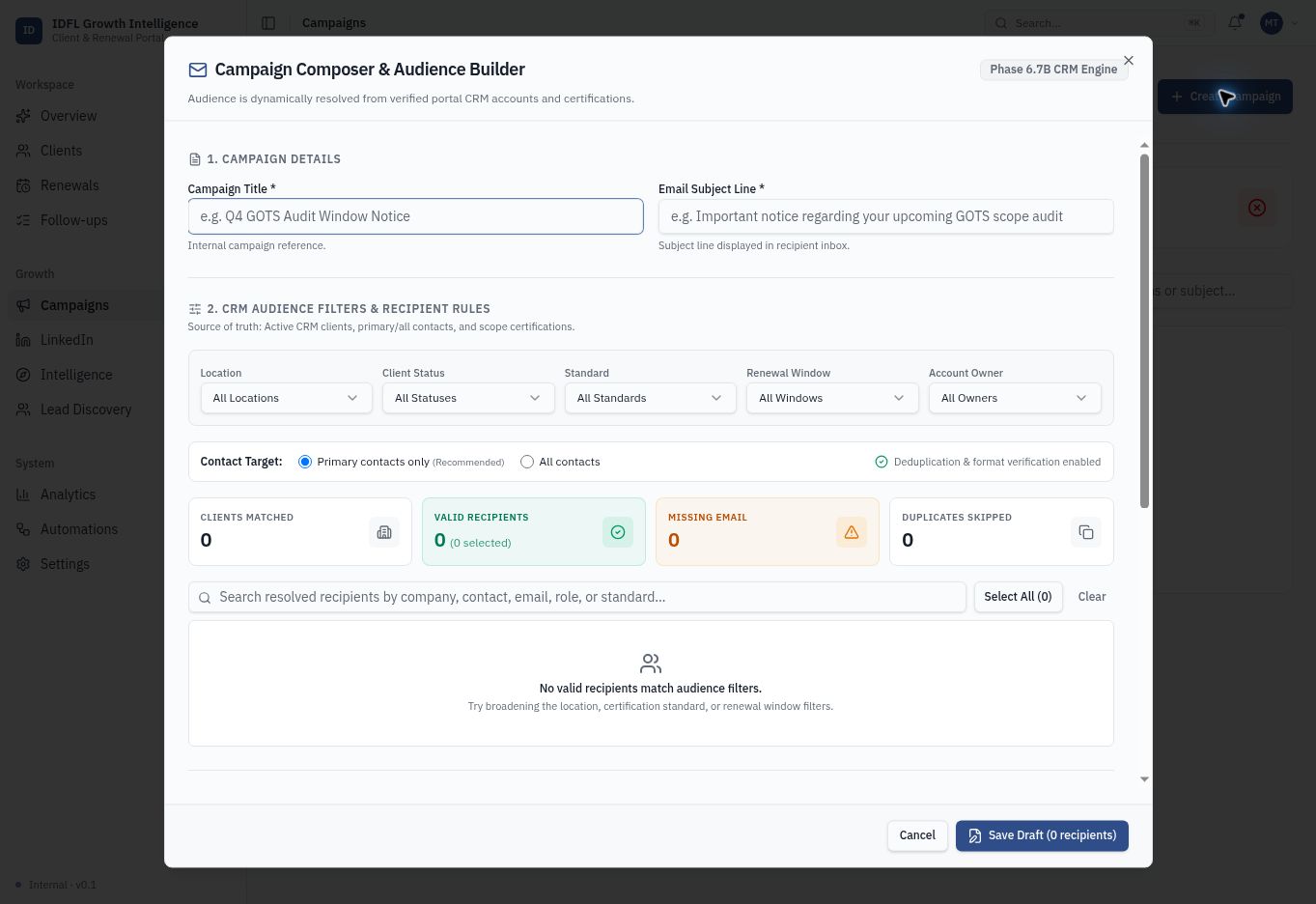
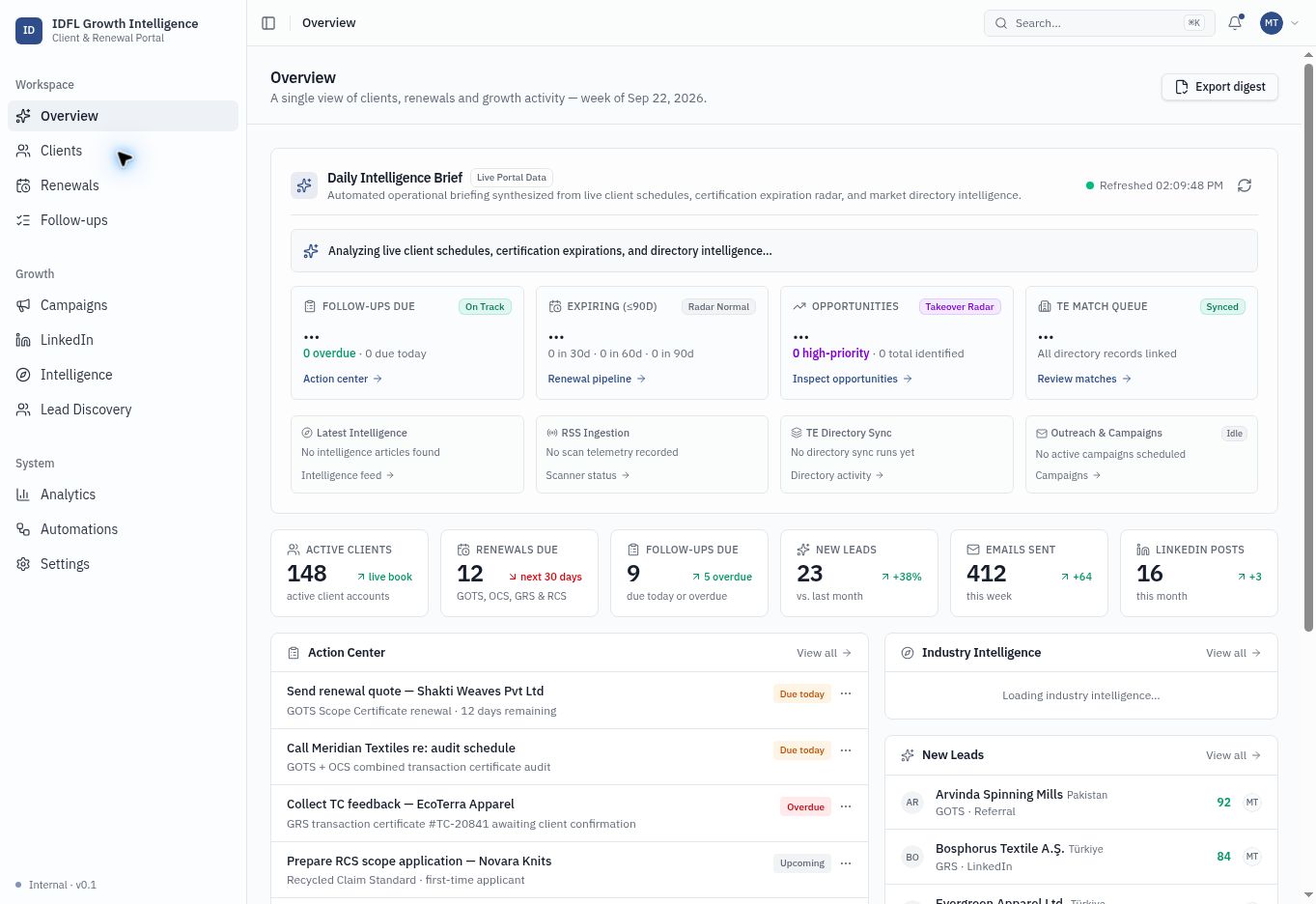
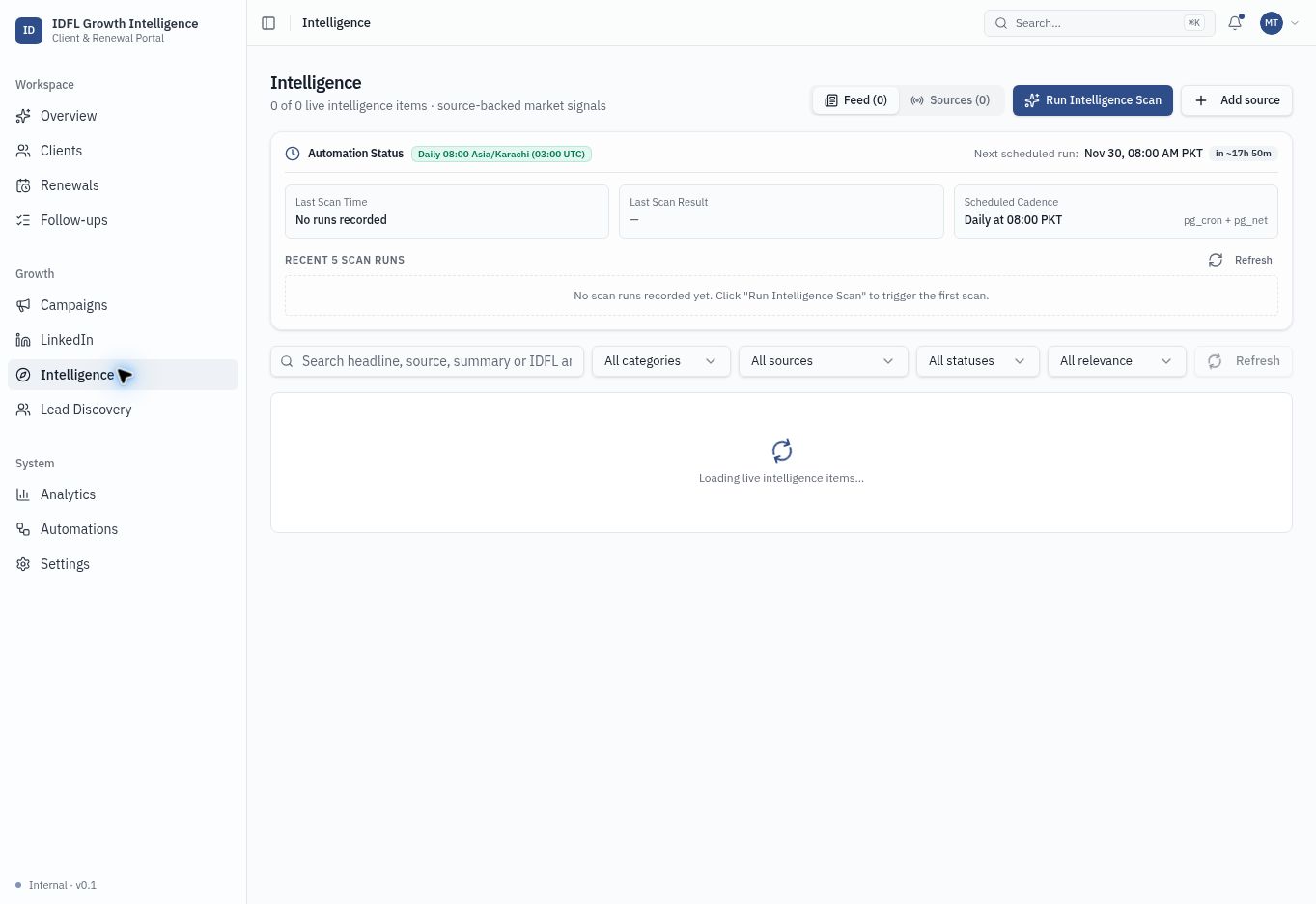
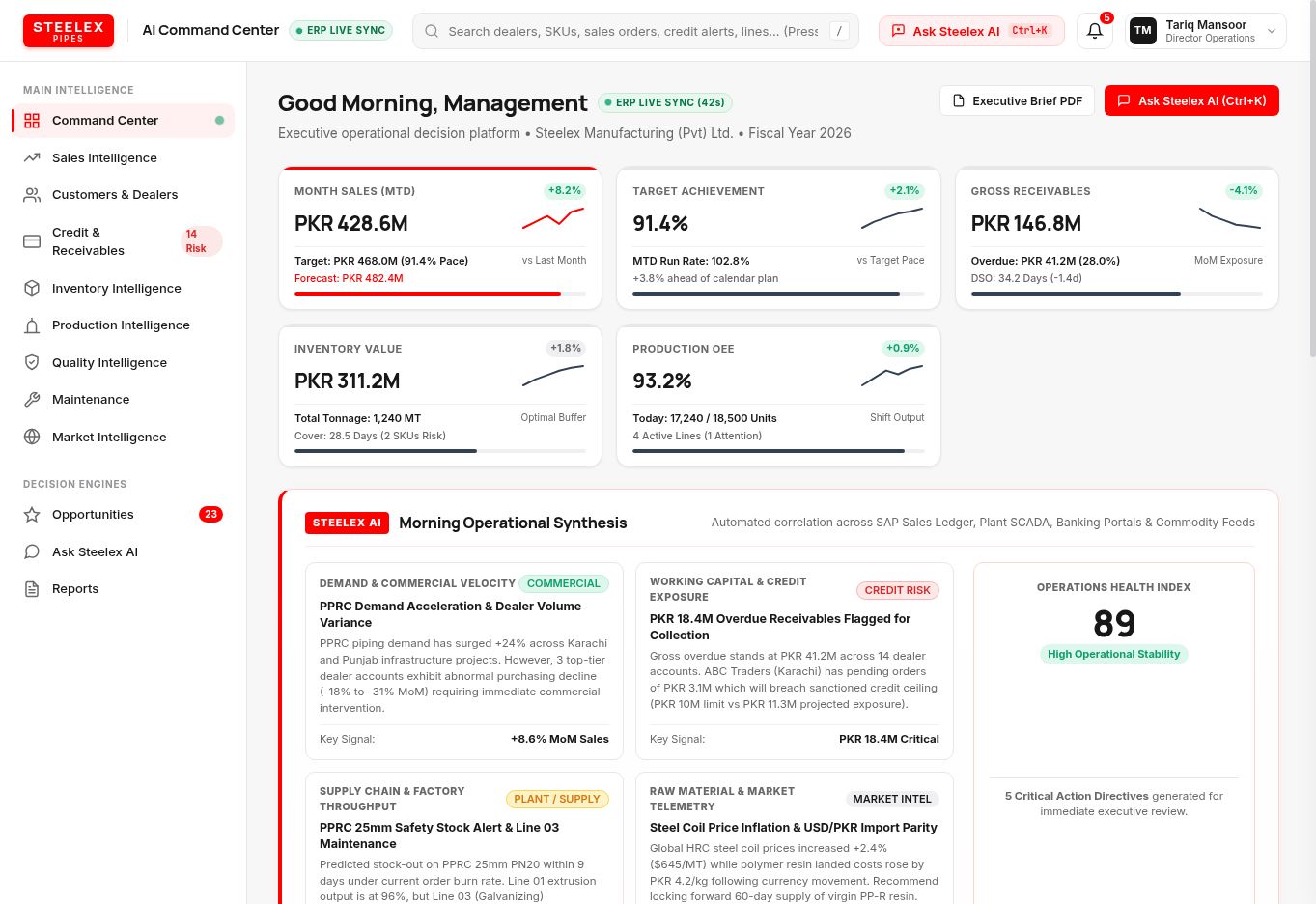
Proposed architecture, subject to technical discovery. Your ERP, CRM or accounting platform remains the system of record. Connectors and permissions are agreed during technical discovery.
Business channels
WhatsApp / Website / Email / Social / Campaigns / Dealer communication
Authorized API or integration bridge / Business objects / Existing applications
Connect your existing tools
Use approved APIs, validated exports or an integration bridge for the platforms your team already uses. Confirm data ownership, permissions and supported actions before implementation.
Map customers, items, quotations, orders and invoice drafts to approved business objects. Confirm object-specific draft and approval behaviour before enabling writes.
Permissions and reliability
Keep credentials server-side behind TLS and least-privilege identities. Validate every payload. Use idempotency keys, reconciliation, bounded retries, error queues and audit records. Human review precedes consequential transactions; an AI suggestion alone never posts an entry.
Explore the full capability list
Systems that do the work.
I design and build intelligent systems that connect business operations, automate repetitive workflows and make existing software more productive.
AI agents & assistants
Interpret requests and prepare authorized next actions.
Marketing automation
Connect research, drafts, review and reporting.
Business process automation
Route work across people, rules and applications.
Document processing
Structure information and surface exceptions for review.
ERP & system integration
Design controlled connections to business records.
Executive intelligence
Turn traceable data into useful management answers.
Conventional software stores and displays.Intelligent workflows receive, analyse, validate and act.Human approval controls the consequential steps.
Try a simple example.
Use sample ad numbers to see how an assistant can summarize performance. This example calculates results in your browser; it does not connect to or change any ad account.
Review an ad campaign
Change the sample numbers to see the report update.
Illustrative report · Sample data
Suggested next step
A full agent could prepare this report from approved data and draft recommendations. A person reviews ad content and budget changes before they are applied.
Explore more automation examples
Four examples use fictional records to show content approvals, inquiry handling, invoice checks and management reports. They do not send messages, publish content or change business systems.
Other business tasks I can help automate
Company-wide possibilities.
A concise discovery catalogue. Each workflow needs a process owner, an agreed baseline and access to the relevant systems.
Estimate time saved and possible business value
Business value. With the assumptions visible.
Explore an illustrative scenario in PKR. Recovered staff capacity is productivity value, not automatic payroll savings. This is not pricing or a financial guarantee.
Calculation method and practical limits
Monthly capacity = employees × hours/day × working days. Recovered hours = employees × repetitive hours/day × days × automation share. Productivity value = recovered hours × salary ÷ (hours/day × days). Annual productivity value = monthly value × 12.
Incremental sales contribution = monthly inquiries × conversion lift (percentage points ÷ 100) × contribution margin per extra sale. Conversion is capped at 100%. Economic net/month = productivity value + incremental contribution − recurring cost. Cash scenario net/month = incremental contribution − recurring cost, assuming those additional sales materialize. Setup cost ÷ positive net/month gives simple payback; otherwise no payback.
Annual net includes 12 months of value less 12 months of recurring cost and one setup cost. Marketing spend is context held constant, not a saving. Contribution margin must exclude variable fulfilment/selling costs, and exclude marketing here to avoid double counting. Productivity and sales benefits may overlap; reduce assumptions if they do. No discounting, ramp-up, tax or financing is modeled.
You keep control.
We agree on what the system can do, test it with your team and keep important decisions with the right people.
Your team approves the important steps.
Review emails, social posts and ad ideas before they go out.
Approve advertising budgets and changes.
Pass unusual or unclear requests to a person.
Start small and measure the difference.
Choose one task and the tools your team already uses.
Test the results before using live customer information.
Track time saved, response speed and useful customer inquiries.
The examples on this page use sample data. They do not send messages, publish ads or change your business records.
What would you like your team to stop doing manually?
Bring one recurring task. We’ll look at how it works today, where AI can help and how to measure the difference.
Your next step
Choose one recurring task.
Use the three scenarios above to select a starting point, or download a general discovery brief.
Prepared in your browser. Nothing is submitted or sent.
Start with one small project.
Understand the process and agree a baseline.
Choose one valuable automation opportunity.
Connect the tools your team already uses.
Build a small working version and test it with your team.